Preventive Dental Care in Richardson, TX

Preventive Dental Care in Richardson, TX

Getting timely treatment is an important element in staying healthy and keeping your smile looking its best, but prevention is just as important. Preventive dentistry is the foundation of long-term oral health, and maintaining a healthy smile is about more than just avoiding cavities. It is about keeping teeth and gums healthy, identifying any changes in your smile early, and protecting your natural teeth for as long as possible.

There is a strong connection between oral health and overall wellness. Modern dentistry is constantly moving toward embracing this connection and treating the whole patient, not just their mouth. At Richardson Dentistry, our Whole Health GD philosophy is based on the premise that preventive care is an ongoing partnership that combines routine dentistry, early detection, and home care, and that when we treat your oral health, we are contributing to your overall health and well-being.

Preventive dental care puts us in the driver’s seat when it comes to ensuring long-term oral health. By taking a proactive approach, we can catch issues before they become more complex, giving us more treatment options and allowing us to take more conservative approaches.

Most importantly, preventive recommendations are personalized based on each patient’s overall health, history, age, oral health goals, and risk factors.

What Is Preventive Dental Care?

Preventive dental care is a combination of professional dental care, healthy oral hygiene habits, and home routines. Together, they help maintain oral health and troubleshoot possible problems. While preventive care is personalized to each patient, it can include any or all of the following:

  • Regular dental examinations
  • Professional teeth cleanings
  • Digital X-rays and diagnostic technology when appropriate
  • Periodontal evaluations
  • Oral cancer screenings
  • Fluoride treatment when appropriate
  • Dental sealants
  • Personalized home-care recommendations
  • Monitoring existing dental work and changes in oral health

Prevention Starts with Understanding Your Oral Health

Preventive care begins with understanding the individual patient rather than simply performing the same routine at every visit. Having a clear understanding of each patient’s health, lifestyle, and goals gives us the context we need to better design a personalized preventive dental care plan for them.

What Happens During a Preventive Dental Visit?

No two preventive dental visits will be exactly alike because no two patients are alike. One thing you can definitely expect is dedicated time to understand your past and current oral and overall health as well as a conversation about your oral health goals.

Comprehensive Dental Exam

During your preventive visit, we will evaluate your teeth, bite, gums, existing restorations, if you have any, and other oral structures, and we will look for changes that may require our attention.

Professional Teeth Cleaning

No matter how good your oral hygiene routine is, professional cleaning is still essential to remove plaque and tartar. During cleanings, we will also take the time to check your gums and for other issues that might need attention.

Gum Health Evaluation

Healthy gums are the foundation of a healthy smile; that is why we check for inflammation, bleeding, recession, periodontal pockets, and other signs of gum disease. Early identification is particularly important because gum disease can progress before patients recognize a problem.

Digital Imaging and Diagnostics

Modern dentistry has come a long way, and nothing says that more than the advances made in imaging and diagnostics. X-rays and other diagnostic technology such as cone beam imaging and intraoral scanning can reveal concerns that cannot always be seen during a visual examination. Modern dental technology, like our 3D printer, also allows us to fabricate devices onsite, saving you time and making the whole experience more comfortable and convenient.

Oral Cancer Screening

Routine screenings allow us to check your mouth and surrounding tissues for unusual changes, including changes that may not cause noticeable symptoms. Catching an issue early gives us more options and peace of mind.

Preventive Treatments That Provide Extra Protection

Some patients may benefit from additional preventive measures depending on individual risk factors. Factors like age and overall health may determine whether a patient needs certain preventive treatments or not.

Fluoride Treatment

Children and adults can both benefit from fluoride treatment that strengthens their enamel and helps protect against decay.

Dental Sealants

Dental sealants are a protective coating for vulnerable grooves and pits and are particularly useful on molars. Both children and adults can benefit from dental sealants that help prevent food and bacteria from collecting in difficult-to-clean areas.

The Connection Between Your Mouth and Your Overall Health

Your mouth is an integral part of your body, not a separate system. For this reason, caring for it means also caring for your whole health. Any changes in your oral health can sometimes provide useful information about the rest of your body, in the same way that issues in your mouth can impact your overall health. Your medical history can influence your oral health and may affect the type of preventive care that is right for you and changes in your mouth may sometimes provide clues that deserve a closer look. By getting to know your health history and monitoring your oral health over time, we can better understand what is normal for you and recognize when something has changed.

Gum Health and Inflammation

Healthy gums are an important part of both a healthy smile and a healthy mouth. Gingivitis and periodontal disease involve inflammation of the gum tissues, which is why we pay close attention to signs such as redness, swelling, bleeding, recession, and changes around the teeth.
Research has also shown that there is a connection between periodontal disease and several systemic health conditions, which reinforces the importance of identifying inflammation, treating gum disease when necessary, and maintaining healthy gums as part of your overall approach to wellness.

Preventive Care Can Tell Us More Than What We See

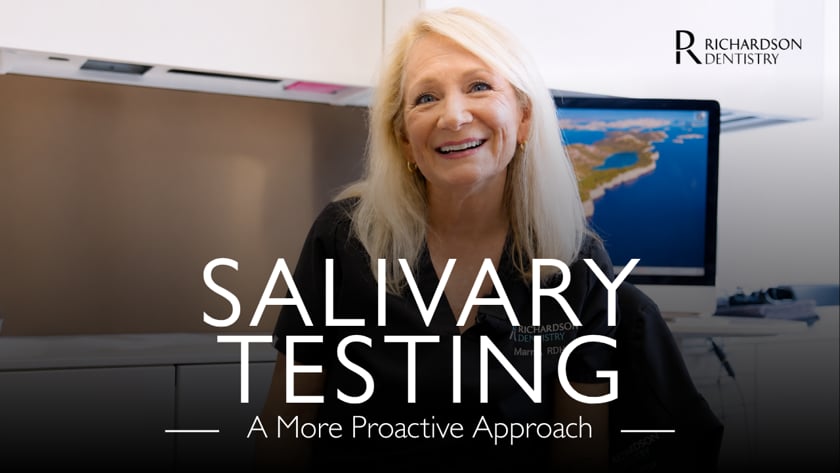
Read the complete text transcript and FAQs for our Video How Salivary Testing Makes Preventive Care More Personal

Preventive care is not only about finding problems early. It is about understanding what may be happening before there is something obvious to see or feel.

In this video, Marny, one of our hygienists at Richardson Dentistry, explains how a simple, non-invasive saliva test can reveal another part of your oral health picture. By looking at the bacteria and other microorganisms in your mouth, we can gain information that a traditional exam or X-ray may not provide on its own.

For our patients in Richardson, TX, it is another way we can make preventive care more personal and proactive.

Watch Marny explain why your saliva may tell us more than you think.

Preventive Care Continues at Home

Caring for your oral health is a team effort, and you are the team captain. You live with your teeth and gums every day, and how you care for them is the biggest part of your preventive care.

Maintaining your routine of brushing twice daily with fluoride toothpaste and flossing every day, limiting sugary or acidic foods and beverages, avoiding tobacco, staying hydrated, and paying attention to changes in your mouth are all vital steps in your preventive care. Everything you do between visits is just as important as what we do during your visit.

Why Early Detection Matters

Early detection is important because many dental problems are easier to manage when identified in their earliest stages. Addressing a concern before it progresses can often mean treatment that is more conservative, less invasive, and potentially less expensive. That is one of the primary goals of preventive dentistry and an important part of our philosophy: preserving your oral health and natural tooth structure whenever possible rather than waiting until something hurts.

Preventive Care for Every Stage of Life

Your oral health needs change throughout your life, and preventive care should change with them. By adapting our approach as your needs evolve, we can help you protect your smile at every age.

Children: Building a Healthy Foundation

Early dental care is about protecting developing teeth while helping children establish healthy habits they can carry into adulthood. Regular visits allow us to monitor growth and development, watch for early signs of decay, and recommend preventive measures such as fluoride or sealants when appropriate. Just as importantly, positive dental experiences can help children become comfortable taking an active role in caring for their smiles.

Adults: Staying Ahead of Changes

During adulthood, preventive care focuses on maintaining healthy teeth and gums while identifying changes before they become larger concerns. We monitor for tooth decay, gum disease, wear, cracks, changes to existing dental work, and other issues that can develop over time. Regular preventive visits also give us an opportunity to adjust your care as your health, medications, lifestyle, and dental needs change.

Older Adults: Protecting Your Smile as Your Needs Evolve

Keeping your natural teeth healthy for a lifetime is always our goal. As you get older, we may pay closer attention to gum health, dry mouth, exposed tooth roots, changes in existing fillings or crowns, and the condition of implants, bridges, or other restorations. Your medical needs and medications may change as well, making personalized preventive care especially valuable for maintaining comfort, function, and oral health.

When Should You See Us Between Routine Visits?

Preventive care is not limited to scheduled visits. You may need to schedule an appointment if you experience any of the following between scheduled visits:

  • Tooth sensitivity that persists or worsens
  • Bleeding or swollen gums
  • Persistent, bad breath
  • A chipped or cracked tooth
  • Changes in the way the teeth fit together
  • A sore or unusual area in the mouth that does not resolve
  • New pain or discomfort
  • Changes around an existing filling, crown, bridge, or implant

Never wait if something has changed or you are concerned about your smile.

A Proactive Approach to a Lifetime of Healthier Smiles

Keeping your smile healthy and bright is a common goal that we are fully committed to, and we believe that preventive dentistry is an investment in long-term oral health, not just a series of routine appointments. Creating an environment where oral health can flourish means creating an environment where preventive care means partnership, patient education, early intervention, and personalized recommendations.

Healthy teeth and gums are connected to overall wellness and health. Keeping your smile healthy means keeping you healthy.

Whenever you are ready to take a proactive approach to your oral health, schedule a preventive dental appointment with our team in Richardson, TX. Together, we can help you protect your teeth and gums today while supporting a healthier smile for the years ahead.

Frequently Asked Questions

A: Preventive dental care is designed to help you maintain healthy teeth and gums while allowing us to identify potential concerns as early as possible. Depending on your individual needs, it may include comprehensive dental exams, professional cleanings, digital X-rays and diagnostics, periodontal evaluations, oral cancer screenings, fluoride treatments, dental sealants, and personalized guidance for caring for your smile at home.

A: For many patients, we recommend a professional cleaning and dental exam every six months. However, your ideal schedule depends on your individual oral health. If you have gum disease or other factors that increase your risk of dental problems, we may recommend more frequent preventive visits.

A: Yes. Excellent home care is one of the most important things you can do for your oral health, but brushing and flossing cannot remove all plaque and tartar. Professional cleanings allow us to remove buildup from areas that are difficult to reach at home while also giving us an opportunity to check your teeth and gums for early signs of a problem.

A: Not necessarily. We use digital X-rays when they are needed to give us information that we cannot obtain from a visual examination alone. How often you need X-rays can depend on factors such as your oral health, dental history, age, and risk of developing problems. Our digital imaging technology helps us identify concerns such as cavities and bone loss that may otherwise go undetected.

A: No. While fluoride can be particularly valuable while children are developing healthy smiles, adults can benefit from fluoride treatments as well. Depending on your individual risk for tooth decay and other factors affecting your oral health, we may recommend fluoride as an additional layer of protection for your teeth.

A: Yes. Dental sealants are not just for children. Adults with deep grooves or fissures in their back teeth may also benefit from sealants, particularly when those areas are difficult to keep clean. The sealant creates a protective barrier that helps prevent food particles and bacteria from becoming trapped in areas that are more susceptible to decay.

A: Brush your teeth thoroughly twice a day, clean between your teeth every day, and follow any personalized recommendations we give you for your home-care routine. A balanced diet, limiting frequent sugary or acidic foods and drinks, staying hydrated, and avoiding tobacco can also help protect your teeth and gums. Just as importantly, keep up with your recommended preventive visits so we can monitor your oral health and address changes early.

A: In many cases, yes. Prevention and early detection allow us to identify concerns while they are still small and may be easier to manage. Addressing a problem before it progresses can often mean treatment that is more conservative and less invasive. This reflects an important part of our philosophy: preserving your oral health and natural tooth structure whenever possible.

A: Please do not wait until your next preventive visit if you notice pain, sensitivity, bleeding or swollen gums, a damaged tooth, changes in your bite, or anything else that concerns you. Contact our office so we can determine whether you should come in sooner. Paying attention to changes and addressing problems promptly is an important part of taking a proactive approach to your oral health.

Dental News in Richardson

Connect With Us

We look forward to meeting you. Please call (972) 764-8923 or request an appointment online to set up your first visit. We’ll be in touch soon.

HOURS & LOCATIONREQUEST AN APPOINTMENTPAY ONLINE