Dental Anxiety? How Sedation Dentistry Can Help You Finally Get the Care You Need
For some people, going to the dentist feels routine. For others, it feels like standing at the edge of a diving board and being told to jump when every part of your body wants to turn around and go home. If that sounds familiar, you are far from alone. Dental anxiety is incredibly common, and it keeps many people from getting the care they need until a small problem becomes a painful, expensive one.
That is where sedation dentistry can make a real difference. It is not about “knocking you out” or making dentistry feel dramatic. It is about helping patients feel calm, safe, and capable of getting through treatment without white-knuckling the chair. For people in Richardson, TX who have delayed care because of fear, a strong gag reflex, past bad experiences, or trouble sitting through longer visits, sedation can be the bridge between avoidance and relief.
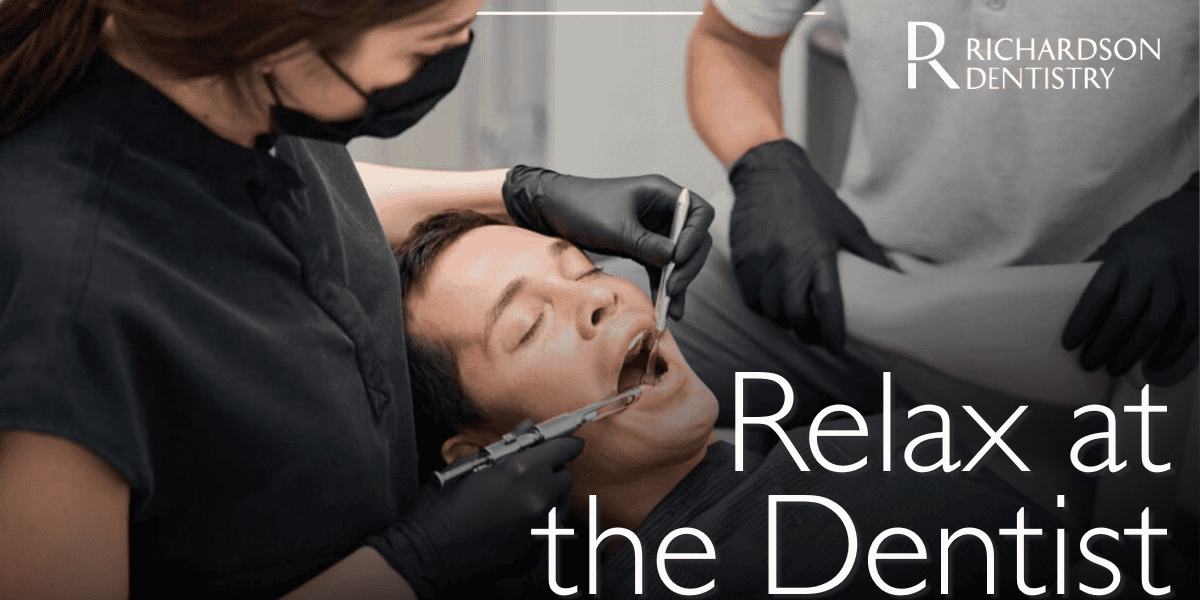
At a modern dental practice, comfort should never be treated like an extra. It should be part of the treatment plan. When patients feel at ease, they are more likely to come in consistently, complete recommended care, and protect their long-term oral health instead of waiting for emergencies to force the issue.
What Is Sedation Dentistry?
Sedation dentistry uses medication to help patients relax during dental treatment. Depending on the type used, sedation can take the edge off anxiety, reduce awareness of the procedure, and make the appointment feel much easier to manage. Some patients stay fully awake but deeply relaxed. Others remember very little about the visit afterward.
The goal is not simply to make treatment possible, although that matters. The bigger goal is to change the emotional experience of dentistry. Instead of every appointment feeling like something to survive, sedation can help it feel manageable, predictable, and far less intimidating.
Many people hear the phrase and imagine something extreme, but sedation dentistry usually exists on a spectrum. It may involve mild relaxation with nitrous oxide, often called laughing gas, or a deeper level of calm through oral conscious sedation. The right option depends on your medical history, your level of anxiety, the type of procedure being performed, and how much support you need to feel comfortable.
For patients who have avoided the dentist for years, that distinction matters. Sedation is not reserved only for major procedures. It can also help with routine or restorative care when fear has become the biggest obstacle.
Signs Dental Anxiety Is Affecting Your Health
Dental anxiety does not always look dramatic. It is not just panic attacks in the parking lot or tears in the exam room. Sometimes it shows up in quieter ways: canceling appointments at the last minute, putting off treatment “until next month,” or convincing yourself that a tooth only hurts when you chew on it a certain way, so maybe it can wait.
That kind of delay has a way of compounding. A small cavity can turn into a root canal. Mild gum irritation can become advanced periodontal disease. A cracked filling can become a broken tooth. Dental fear often creates the very situations patients are most afraid of, because putting off care usually leads to more complex treatment later.
Some common signs that anxiety may be interfering with your oral health include:
- Avoiding regular cleanings and exams
- Feeling embarrassed about how long it has been since your last dental visit
- Trouble sleeping before an appointment
- A racing heart, sweating, or nausea at the thought of treatment
- A strong gag reflex during dental work
- Fear of needles, sounds, smells, or loss of control
- Waiting until pain becomes severe before calling the dentist
If any of this sounds familiar, sedation dentistry may be worth discussing. Anxiety is not a character flaw, and it is not something you should have to “just get over.” It is a real barrier, and the right dental team will treat it that way.
Who Can Benefit From Sedation Dentistry?
One of the biggest misconceptions about sedation is that it is only for people with severe fear. In reality, many different types of patients benefit from it. Some are anxious. Some are sensitive. Some simply want a more comfortable way to complete treatment efficiently.
Sedation dentistry may be a good fit for patients who:
- Experience moderate to severe dental anxiety
- Have had a traumatic or painful dental experience in the past
- Need extensive dental work completed in one or two visits
- Have difficulty getting numb with local anesthesia alone
- Have a strong gag reflex
- Struggle to sit still comfortably for long appointments
- Have sensitive teeth or heightened oral awareness
- Feel overwhelmed by the sounds, pressure, or sensations of treatment
It can also be helpful for busy adults who have delayed care and now need multiple procedures. In many cases, sedation makes it easier to complete more treatment in fewer visits. That can be a major advantage for families and professionals in Richardson who are trying to fit dental care into already packed schedules.
There is also the emotional benefit that people do not talk about enough: dignity. Patients who have been avoiding the dentist for years often arrive carrying shame. Sedation can help remove some of the fear surrounding that first step back into care, making it easier to move forward without reliving every old worry.
Common Types of Sedation Dentistry
Different dental offices offer different sedation options, but the most common forms include nitrous oxide and oral conscious sedation. Each serves a slightly different purpose, and one may be better suited than another depending on the patient and procedure.
Understanding the basics can help you walk into the conversation feeling informed rather than intimidated.
Nitrous Oxide Sedation
Nitrous oxide, commonly known as laughing gas, is a mild form of sedation inhaled through a small mask placed over the nose. It helps patients feel calm, light, and less tense during treatment. You remain awake and able to respond, but the appointment often feels much easier and less emotionally charged.
One of the biggest advantages of nitrous oxide is that it works quickly and wears off quickly too. For many patients, that means they can return to normal activities soon after their visit. It can be a great option for mild to moderate anxiety, shorter procedures, or patients who want a little help taking the edge off without lingering effects.
Oral Conscious Sedation
Oral conscious sedation typically involves taking a prescribed medication before your appointment to help you feel deeply relaxed. You are still conscious, but you may feel drowsy, less aware of time, and far less reactive to the sights, sounds, and sensations that usually trigger anxiety.
This option is often ideal for patients with stronger dental fear or those undergoing longer or more involved procedures. Many people remember little of the appointment afterward, which can be a huge relief if anticipation and memory are part of the problem. Because the effects are stronger, patients usually need someone to drive them to and from the office.
Local Anesthesia Still Matters
It is important to know that sedation and local anesthesia are not the same thing. Sedation helps with relaxation and anxiety. Local anesthesia numbs the treatment area so you do not feel pain. In many cases, the two are used together.
That combination can be especially helpful for nervous patients. You are not just numb. You are also calmer, less tense, and less focused on every second of the procedure. For many people, that changes everything.
What Sedation Dentistry Feels Like
Patients often ask the same question in different words: “Will I still know what is going on?” The answer depends on the type of sedation used, but in most cases, you will not feel out of control. You will feel more relaxed, less hyperaware, and less likely to fixate on every sound or sensation.
Think of it like the difference between sitting in a storm and watching one through a window. The appointment is still happening, but it does not hit with the same force. Time may seem to pass more quickly. Your body may feel heavier or looser. The tension in your shoulders and jaw may finally unclench.
For someone with dental anxiety, that shift can be profound. Instead of bracing through treatment, you are able to experience it with less fear. And once a patient gets through one positive appointment, the next one is often easier. Sedation does not just help in the moment. It can begin to rebuild trust over time.
That is especially meaningful for patients who have spent years associating the dentist with stress, discomfort, or embarrassment. A calmer experience can reset the story they have been telling themselves about dental care.
Is Sedation Dentistry Safe?
When administered appropriately by trained dental professionals, sedation dentistry is considered safe for many patients. Before recommending any form of sedation, your dental team should review your medical history, current medications, allergies, and any relevant health conditions. That screening process is there for a reason. Safe care starts with understanding the whole patient, not just the tooth.
The right office will also explain what to expect before, during, and after your appointment. That includes instructions about eating, drinking, transportation, and recovery if deeper sedation is involved. Patients should feel informed, not rushed.
Sedation is not one-size-fits-all. Some people are ideal candidates. Others may need a modified approach based on age, health, or medication interactions. That is why a personalized consultation matters. Dentistry should be modern and masterful, but it should also be careful.
If you have been curious about sedation but hesitant to ask, bring it up. A good dental team will not treat the question like an overreaction. They will treat it like what it is: an important part of your care.
Sedation Dentistry for Delayed or Extensive Treatment
One of the most practical benefits of sedation dentistry is that it can make larger treatment plans feel doable. If you have put off care for years, the list of recommended procedures can feel overwhelming. Fillings, crowns, deep cleanings, extractions, cosmetic improvements, restorative work—it can seem like too much to tackle.
Sedation helps break that cycle. Because patients are more relaxed, dentists can often complete multiple procedures in fewer visits. That means less time taking off work, fewer emotionally draining appointments, and a more efficient path back to a healthy smile.
This can be especially valuable for adults in Richardson who are juggling careers, family obligations, and long overdue dental needs. When treatment feels manageable, people are far more likely to move forward. Instead of dragging care out over months because every visit feels impossible, sedation can help create momentum.
There is also a quality-of-life piece here. Dental problems do not stay in the mouth. They affect sleep, eating, confidence, concentration, and even social comfort. If sedation helps you finally address what has been lingering, it is not just about fixing teeth. It is about getting your life back from a problem you have been carrying around quietly.
Why Choosing the Right Dentist Matters
Sedation is only part of the equation. The environment, communication style, and philosophy of the dental team matter just as much. A patient with dental anxiety does not just need clinical skill. They need patience, clarity, and a sense that they will be heard.
That means choosing a dental office that values comfort, uses modern technology, and takes time to explain treatment without pressure. For anxious patients, trust is not built through slogans. It is built through small moments: a calm voice, a clear explanation, a team that notices when you are tense, and a plan that respects your limits while still helping you move forward.
At a state-of-the-art dental practice in Richardson, sedation dentistry should fit into a broader commitment to patient-centered care. The best experiences happen when modern dentistry and human understanding show up together. One without the other is incomplete.
If fear has kept you away, you do not need a lecture. You need a path back in. The right dental team can help create one.
Taking the First Step Toward Comfortable Care
If you have been postponing treatment because of fear, embarrassment, or past experiences, sedation dentistry may be the thing that finally changes the equation. You do not have to force yourself through appointments in survival mode. And you do not have to wait until pain leaves you no choice.
The first step is often just a conversation. Ask what sedation options are available. Be honest about your anxiety, even if it feels awkward. Tell the team if you have avoided the dentist for years, if you have a strong gag reflex, or if you panic at the sound of the drill. Those details are not inconveniences. They are clinically relevant, and they matter.
For patients looking for a more comfortable dental experience in Richardson, TX, sedation dentistry can open the door to preventive care, restorative treatment, and renewed confidence. Sometimes the hardest part is simply walking through the door. But once you do, you may find that modern dental care feels very different from what you have been dreading.
You deserve a smile that is healthy, functional, and memorable for all the right reasons. More importantly, you deserve to get there without fear running the show.